
Open House this Friday, Oct. 23, 5–7 PM. Mark the Shark broadcasts live from the shop. Details

Hours: Mon–Sat 120 E. Walnut St., Lock Haven, PA 17745|(570) 858-5341
Home/Pet Care Corner
Pet care corner

A little know-how goes a long way.

Short, friendly guides for the animals we talk about most. Think of it as the conversation you’d have at the counter, ready any time.

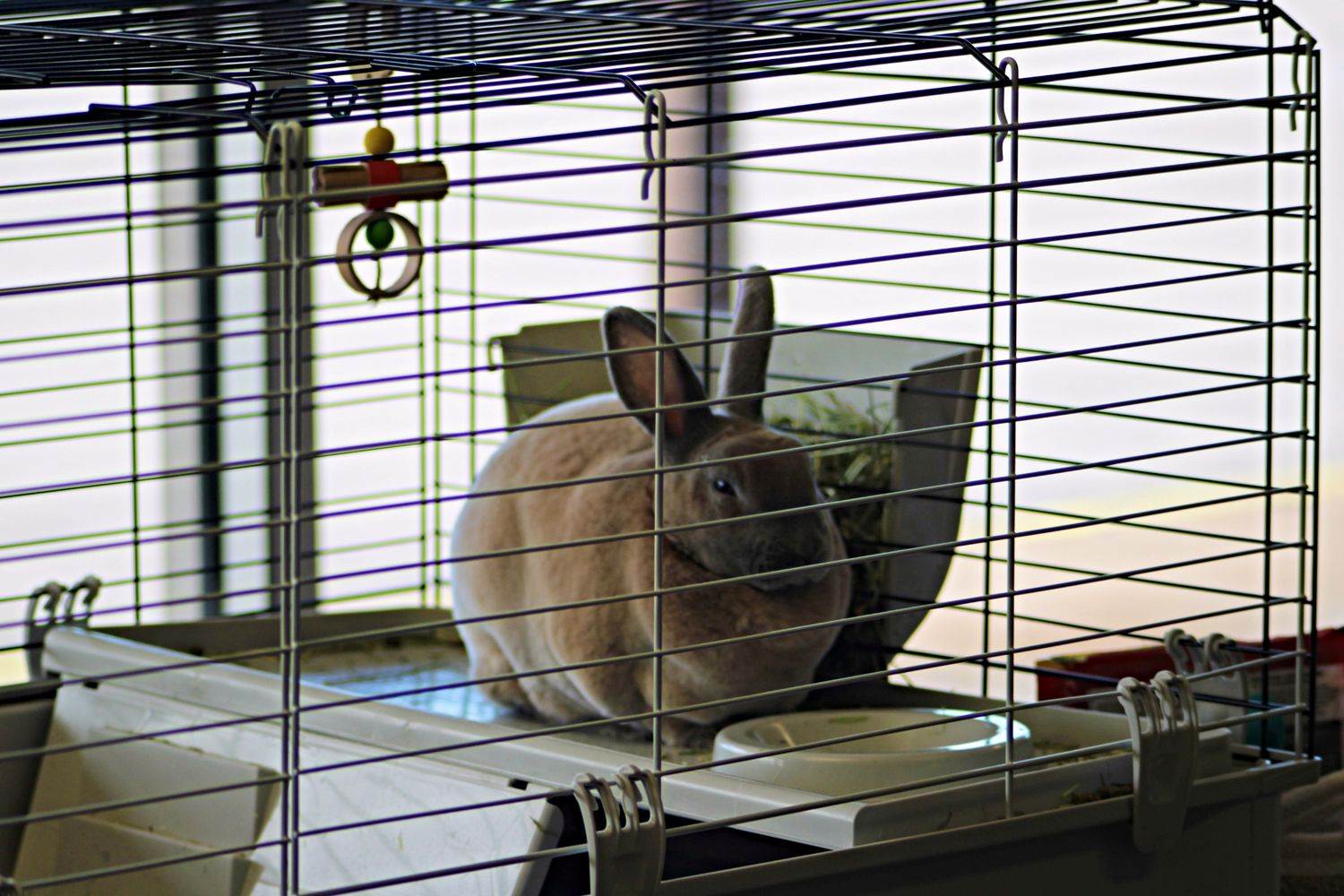
A rabbit in a clean habitat

These are general guidelines to get you started, not veterinary advice. Every animal is different, so talk to us in the shop and to your vet for anything specific to your pet.

Rabbits & guinea pigs

Hay is the main event

Fresh grass hay should be most of what a rabbit or guinea pig eats. The long fiber keeps their gut moving and wears down teeth that never stop growing.

  • Offer unlimited timothy, orchard or other grass hay every day.
  • Alfalfa is richer, a good fit for young, growing animals.
  • Look for green, sweet-smelling, dust-free hay.

Not sure which hay to pick? We carry several, so ask and we’ll walk you through them.

Chicks

Your first weeks with chicks

Chicks can’t keep themselves warm yet, so a safe brooder with a steady heat source is the whole game for the first weeks.

  • Start near 95°F the first week, then ease down about 5° weekly as they feather out.
  • Use pine shavings (not cedar) and give chick starter feed with fresh water.
  • Watch their behavior: huddled and peeping means cold; spread out and panting means too warm.

Come see our current chicks and brooder supplies before you buy the babies.

Aquatics

A proper home for a betta

Bettas are tropical fish, and a small unheated cup isn’t a home. A little space and warmth makes a very different fish.

  • Aim for at least a 5-gallon tank with a gentle filter and a heater.
  • Keep water in the high 70s°F and use a lid, because they can jump.
  • Add plants and hiding spots to help them feel secure.

Ask us how to cycle a new tank so the water is safe from day one.

Guinea pigs

Social, chatty and space-hungry

Guinea pigs are herd animals and need room to roam. Many store-bought cages are on the small side.

  • Plan on a roomy habitat with plenty of floor space (floor, not height).
  • Guinea pigs do best with a buddy of their own kind.
  • They can’t make vitamin C: provide it daily through pellets and fresh veggies.

We’ll help you size up a cage and set up pairs.

Hamsters

Room to burrow, room to run

Hamsters are natural diggers and runners who do most of their living at night.

  • Give deep bedding for burrowing and a solid-surface wheel that’s large enough that their back stays straight.
  • Syrian (“bear”) hamsters should live alone.
  • Offer chew items, a sand bath and a few hides.

Wondering which species fits your family? Ask us about temperament and handling.

Parakeets

Social birds need company

Parakeets are flock animals, so they thrive with attention and variety.

  • Offer a mix of pellets, seed and fresh veggies, not seed alone.
  • Provide perches of different widths and safe toys to chew.
  • Give daily out-of-cage time and plenty of interaction.

Ask us about cage size, bar spacing and a good starter setup.

Got a question we didn’t cover?

Call or stop in. We’re happy to talk pets.

Call (570) 858-5341Visit the shop

Call us Directions